
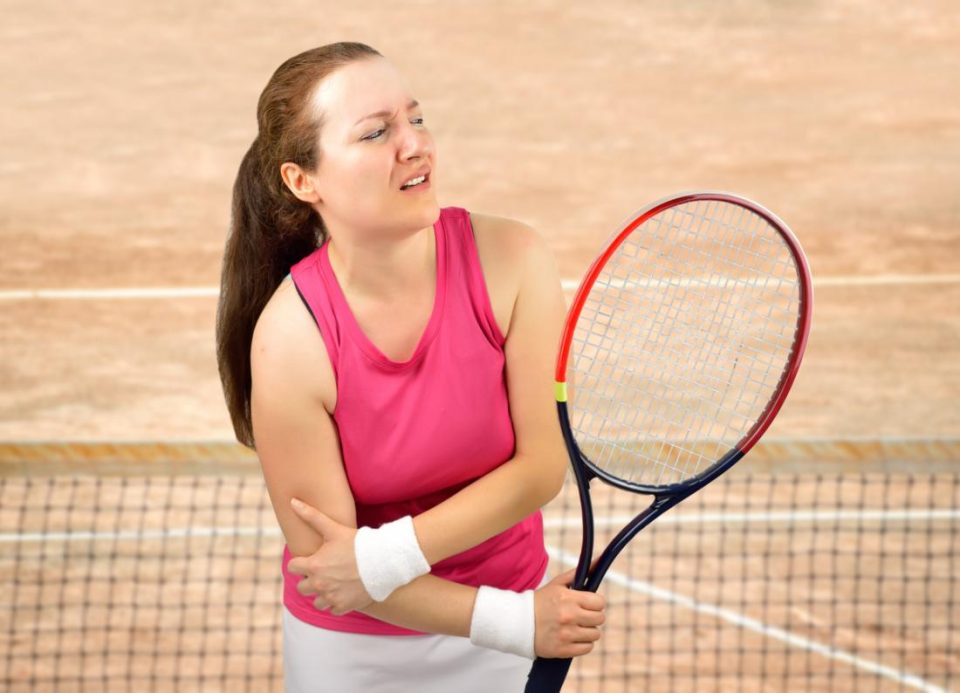
Tennis elbow is one common condition that affects the arm and elbow region. The condition does not only affect those who play tennis but may arise from various activities in one’s daily life.
What is tennis elbow? What causes it? What does it feel like? How is it treated? All of these questions will be answered in this article.
What Is Tennis Elbow?
“Tennis elbow” is a condition in which the outer side of the elbow is painful. The main reason for the pain is overuse of the arm muscles and tendons.
Tendons are those tissues connecting the muscles in the forearm with the elbow. If these are frequently used, injuries are likely to occur. Consequently, pain and discomfort are felt.
Who Can Get Tennis Elbow?
Tennis elbow can happen to anybody, but it is common among people who use their arms frequently.
This includes those working with tools, those who frequently lift objects, those who type frequently, and those whose hands frequently repeat a movement. Even sports players can have tennis elbow; it is not exclusive to this group.
It is seen more frequently in adults than children.
Common Causes of Tennis Elbow
The main cause of this condition is repeated strain. This can be due to gripping, lifting, or twisting.
The risk might increase if the person does not use good techniques, or if the person does not get enough sleep before doing the activity. Weak muscles, as well as sudden increases in activity, might also increase the risk.
Over time, all these factors accumulate and lead to pain.
Symptoms to Look Out For
The most common complaint of people suffering from tennis elbow is that they feel pain on the outside of their elbow, and it can also extend down their forearm.
Some may experience a lack of strength in their hand grips. Simple actions like gripping a cup or a door may be difficult.
The discomfort may worsen with activity and improve with rest.
The Process of Identifying Tennis Elbow
Tennis elbow is mostly diagnosed by performing a physical examination. The individual may also be asked questions regarding their symptoms and activities.
They may also gently press on the elbow or ask you to move your arm. Tests may not always be necessary, especially for severe or long-lasting symptoms.
It can be better managed if identified early on.
Common Ways Tennis Elbow Is Managed
It is a good idea to begin management by resting. The activity that is causing the problem should be reduced or stopped.
Gentle exercises can be included if strengthening and increasing flexibility are desired. These can usually be done gradually.
Some individuals use support or bracing to relieve pressure on their elbow. Applying ice can relieve pain in its early stages.
The Role of Movement and Recovery
It is not always necessary to have the arm still and stationary over long periods of time; movement is helpful to recovery.
Some simple exercises may aid in the healing process of tendons. These should always be done in an appropriate way.
However, recovery is not an instant process.
When to Seek Professional Advice
If the pain does not ease after a period of rest, then it might be a good idea to seek advice. Pain which persists for a period of time will, of course, affect the activities of daily living, including work.
A professional may be able to evaluate the condition and recommend appropriate care options. Early intervention may also prevent future issues.
Preventing Tennis Elbow
In prevention, the goal is to decrease strain. The use of appropriate techniques during sports or at work can aid.
It is also important to avoid taking a break and not to “overuse” the arm. In some cases, strengthening the forearm can also be a preventive step.
Small adjustments can have a large impact.
Living With Tennis Elbow
Most patients fully recover from tennis elbow with proper care. The key to this is listening to the body to heal properly.
It is important that, during the recovery phase, repeated strain is avoided, which is normally done by a gradual return to activity.
“Tennis elbow” is one of the most common overuse syndromes. Knowledge of its causes and signs can help in managing it more effectively. Rest, care, and patience can help most people experience improvements over a period of time.
