
- INTRODUCTION
Do you often wake up tired or with a headache, even after what seems like a full night’s sleep? You might be experiencing a condition called sleep apnea Mercer Island — a serious sleep disorder that can affect your daily life and overall health.
- WHAT IS OBSTRUCTIVE SLEEP APNEA?
The word apnea means “without breath.” In OSA, your breathing stops for at least 10 seconds at a time, sometimes many times each hour, while you sleep. When this happens, your brain and body do not get enough oxygen, and carbon dioxide builds up. Even though you typically don’t recall it, your brain then gently wakes you up to resume breathing. This constant interruption leaves you feeling tired, groggy, or unfocused the next day.
When your soft palate or tongue muscles relax excessively while you sleep, it can obstruct your airway. This is known as OSA. A less common type, central sleep apnea, occurs when the brain fails to send signals to control breathing.
- COMMON SYMPTOMS
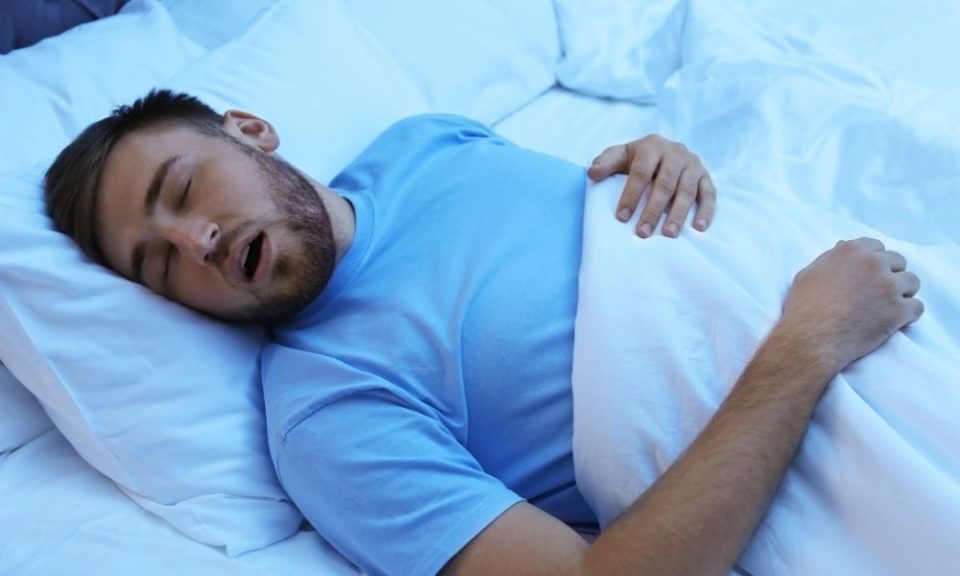
People with OSA often snore loudly and may stop breathing for a few seconds before gasping or choking. Other signs include:
- Feeling sleepy during the day
- Waking up with a dry mouth or headache
- Waking up frequently at night
- Needing to urinate often during sleep
- Difficulty focusing or changes in mood
These symptoms can be milder or harder to notice in women. See your physician if you think you may have sleep apnea. Diagnosis is made through a sleep study, either at home or in a sleep lab, to determine whether your condition is mild, moderate, or severe.
- WHY TREATMENT MATTERS?
Treating OSA is important because untreated sleep apnea increases your risk of heart disease, stroke, diabetes, glaucoma, and even cancer. Lifestyle changes like losing weight, avoiding alcohol and smoking, and sleeping on your side can help, but may not completely cure it.
According to Dr. Eric Mann from the U.S. Food and Drug Administration (FDA), many approved medical devices can help people with OSA feel rested and healthier.
- COMMON TREATMENT OPTIONS
- CPAP Machine: The most common treatment, Continuous Positive Airway Pressure (CPAP), delivers steady air through a mask to keep your airway open. It is very effective, although it could take some getting used to.
- BiPAP Machine: offers a range of inhalation and exhalation pressure settings, making it appropriate for people who find CPAP uncomfortable.
- EPAP Valves: Small valves placed over the nostrils that help maintain airflow without needing electricity.
- Oral Appliances: Custom mouthpieces made by dentists that keep the jaw forward to prevent airway blockage.
- Tongue Retaining Device: Holds the tongue in place to stop it from falling backward during sleep.
- Neuromuscular Tongue Stimulator: A device used during the day that strengthens tongue muscles with mild electrical pulses.
- Implantable Nerve Stimulator: During sleep, this device, which is surgically positioned beneath the chest, keeps the airway open by stimulating the nerves that control the tongue.
- Positional Therapy: Special pillows or wearable devices help prevent sleeping on your back, reducing airway collapse.
- CONCLUSION
Sleep apnea may sound harmless, but it can lead to life-threatening problems if ignored. Getting tested and treated can greatly improve your energy, focus, and long-term health. If you always feel tired, it’s time to talk to your doctor — better sleep could save your life.
